
Cathodic Protection
The Hidden Risk to Your Development
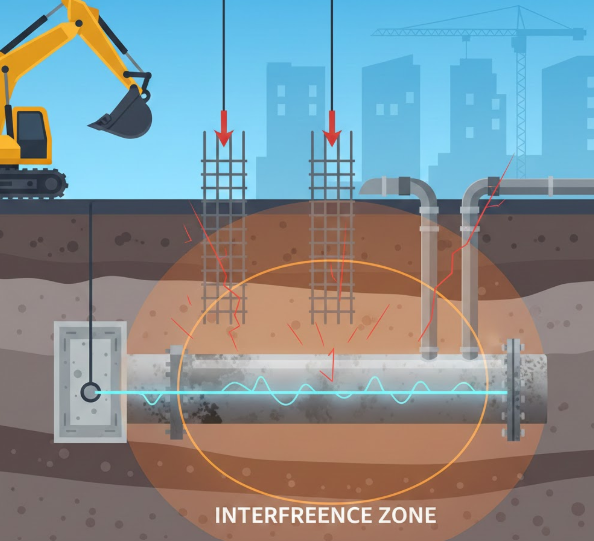
While it rarely comes up for discussion in planning meetings, Cathodic Protection can have a major impact on project feasibility, particularly when working in proximity to high pressure gas or fuel lines.
CP systems create strict ‘interference zones.’ Common construction activities like piling, steel reinforcement, or drainage installation can disrupt this electrical balance. If it’s not managed early enough it can lead to…
- Costly Redesigns – unexpected technical assessments and the need for mitigation methods.
- Critical Delays – construction halts until utility operators have granted safety clearances.
- Problems with Compliance – conflicts with HSE and network operator standards.
High Pressure Gas Mains
The Unseen Development Constraints
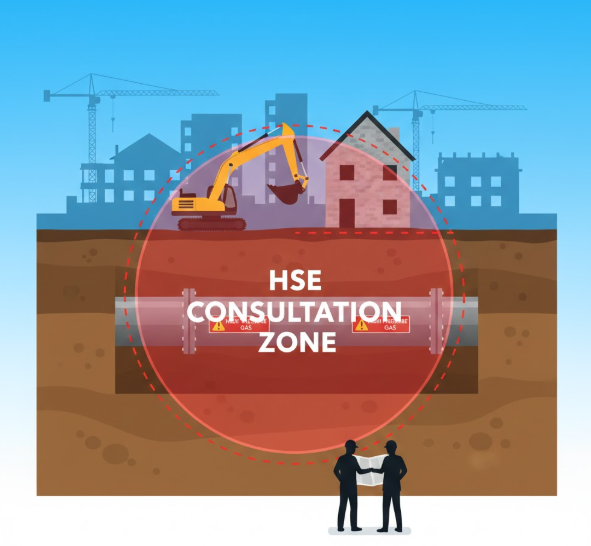
High pressure gas pipelines are often undetectable from the surface but carry significant legal and safety restrictions. If they’re discovered too late, they can derail a project’s timeline and budget.
Early awareness means that informed decisions can be made and additional costs can be avoided.
Impacts on a development?
- Drastic reduction in the usable building footprint – due to HSE Consultation Zones.
- Costly, last minute layout re-designs – due to unforeseen access requirements and ‘stand-off’ zones from legal easements.
- Delayed delivery – because negotiating diversions or protection measures with network operators can take months.
Future Homes Standard
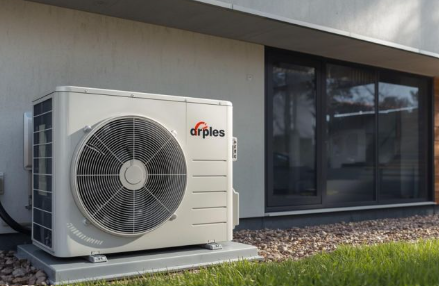
Navigating the shift from gas…
The government’s Future Homes Standard is aiming to phase out gas connections in favour of greener electricity by 2027. However, with potential delays to legislation and calls for a phased approach, the timeline remains uncertain.
While national law is catching up, many local authorities are already declaring ‘climate emergencies’, effectively outlawing gas heating on new developments through local policy.
Beware of shifting regulations – developers should:
- Check Local Policy – to verify a council’s specific stance on gas before applying for connections.
- Test the Market – apply for a gas supply for a nominal number of units to gauge connection costs and feasibility.
- Plan for Electric – prepare for the transition to heat pumps and enhanced electrical capacity.
Government Policies to Speed Up Electricity Connections
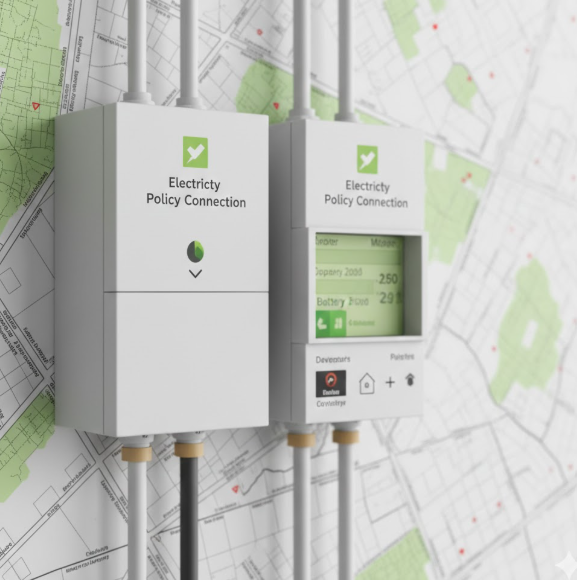
Grid Connections: Progress or just Promises?
The UK’s electricity connection backlog remains a serious impediment for developers, with some waiting times previously stretching into the 2030s. In response, the government and Ofgem have introduced a ‘fast track’ system for viable projects in a bid to shorten the queues.
Proposals include a new ‘first ready, first connected’ system, improved transparency on grid capacity and a simplified approvals process for battery storage and renewable schemes.
In 2026 so far, the reality has been very different. In practice many developers are still grappling with uncertainty and major challenges, including ageing infrastructure, competing regional priorities and a delivery pace which is heavily dependent on how policies are implemented locally.
Early engagement with the network operator is strongly recommended, as well as finding out which areas have grid capacity. This should help you to secure a realistic connection date for your development.
Draft National Planning Policy Framework

Optimism across the sectors…
The new draft NPPF is a hot topic for discussion in all property sectors. Whether you’re a housebuilder or SME, a developer of commercial land or data centres, there are reasons for optimism across the industry.
Proposed changes represent a significant overhaul of the planning system, with a stronger presumption in favour of development taking place in sustainable locations, particularly for sites close to train stations, offering clear benefits for residential projects.
Commercial developers can also expect some positive momentum, as greater weight should be given to economic benefits in decision making and through improved site allocations in local plans.
Consultation on the draft NPPF is open until 10 March, with a revised version anticipated in Spring 2026.
BTS is thrilled to announce that we are sponsoring a beehive in 2026!
The Amphill Bee Company is helping us with our on our ongoing commitment to sustainability and our corporate social responsibility. By sponsoring a beehive, we are hoping to boost local biodiversity and pollination, support the survival of essential honeybee populations, and offset our environmental footprint in a meaningful way!
Let BTS help you navigate the complexities of infrastructure and unlock the full potential of your development. Contact us today for a no-obligation consultation.